


Lidocaine for hemorrhoids can provide temporary relief from pain, itching and burning by numbing the external area where it is applied. It does not shrink hemorrhoids or treat their underlying cause, but it can be a useful part of an at-home care routine when used exactly as directed on the Drug Facts label.
Hemorrhoids are swollen veins in or around the anus and lower rectum. Constipation, straining, prolonged sitting on the toilet, pregnancy and frequent bowel movements can all contribute to irritation. Along with temporary symptom relief, improving bowel habits and avoiding repeated strain may help reduce future flare-ups.
What Are Hemorrhoids?
Hemorrhoids are swollen veins that develop inside the lower rectum or under the skin around the anus. Internal and external hemorrhoids can cause different symptoms.
- Internal hemorrhoids develop inside the rectum. They may cause painless rectal bleeding or protrude through the anal opening.
- External hemorrhoids develop under the skin around the anus. They may cause itching, swelling, tenderness or pain.
Hemorrhoids may be associated with constipation, straining during bowel movements, sitting on the toilet for long periods, a low-fiber diet, pregnancy and other factors that increase pressure in the lower rectal area.
Rectal bleeding can have several causes. Contact a healthcare professional for an evaluation, especially when bleeding is new, recurring, heavy or accompanied by abdominal pain, diarrhea, fever, dizziness or weakness.
Why Do Hemorrhoids Hurt or Itch?
The tissue around the anus contains many sensitive nerve endings. Swelling, pressure, friction and repeated wiping can irritate this area and lead to pain, itching, burning or soreness.
External hemorrhoids are more likely to cause noticeable discomfort because they form beneath sensitive skin. A blood clot can sometimes develop inside an external hemorrhoid, causing sudden, severe pain and a firm lump near the anus.
Frequent diarrhea can also contribute to irritation by increasing the number of bowel movements and the amount of wiping. Constipation can create a different problem by encouraging straining and hard stools. Supporting more regular bowel habits may therefore be an important part of managing recurring hemorrhoid discomfort.
What Is Lidocaine and How Does It Help Hemorrhoids?
Lidocaine is a local anesthetic. When applied topically, it temporarily reduces sensation in the area by interfering with pain signals from nearby nerves.
An anorectal lidocaine cream may temporarily relieve:
- Pain or soreness from external hemorrhoids
- Itching and irritation
- Burning or stinging sensations
- Tenderness after bowel movements
- Discomfort caused by repeated wiping
Lidocaine provides temporary symptom relief only. It does not shrink hemorrhoids, correct constipation, stop diarrhea or replace medical evaluation when symptoms are severe or persistent.
Follow the exact instructions on your product label. Anorectal lidocaine cream should not be inserted into the rectum with fingers, an applicator or another device unless the specific Drug Facts label directs otherwise.
How to Use Lidocaine Cream for Hemorrhoid Relief
Always follow the directions and warnings printed on the product package. A general external hemorrhoid-care routine may include the following steps.
1. Gently Clean the External Area
When practical, cleanse the area with mild soap and warm water. Rinse thoroughly and gently pat or blot the skin dry. Aggressive wiping can worsen irritation.
2. Apply the Cream Exactly as Directed
Apply the labeled amount to the affected external area. Do not use more frequently or in larger amounts than directed, and avoid contact with the eyes.
3. Wash Your Hands
Wash your hands before and after application unless your hands are the area being treated. Keep the product out of reach of children.
4. Stop Use When Warning Signs Appear
Stop using the product and contact a healthcare professional if rectal bleeding occurs, the condition worsens, an allergic reaction develops or symptoms do not improve within the period stated on the label.
Maximum-Strength Lidocaine Relief to Keep on Hand
WELMATE Pain Relief – 5% Lidocaine Cream, 6 oz is an external anorectal cream made to temporarily relieve pain, itching and burning associated with hemorrhoids and other anorectal irritation.
Use only as directed. The product provides temporary numbing relief and does not shrink hemorrhoids or treat the underlying cause.
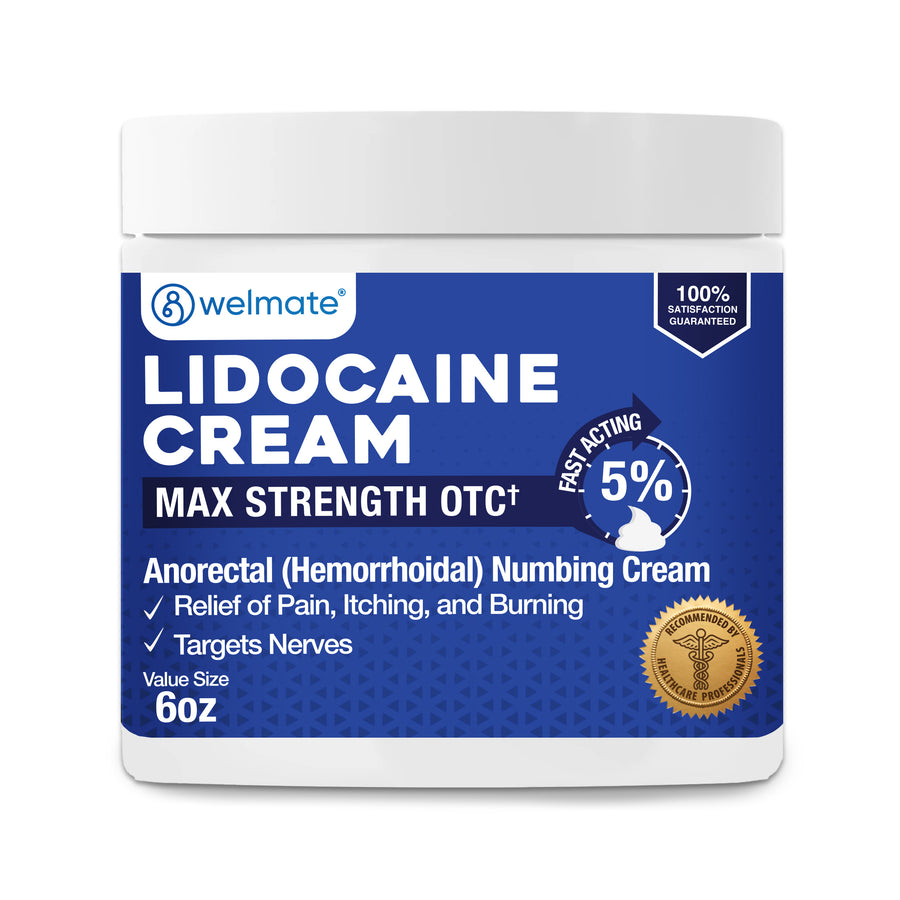
WELMATE 5% Lidocaine Cream
Temporary external numbing relief for pain, itching and burning associated with hemorrhoids and anorectal irritation.
Shop Lidocaine Cream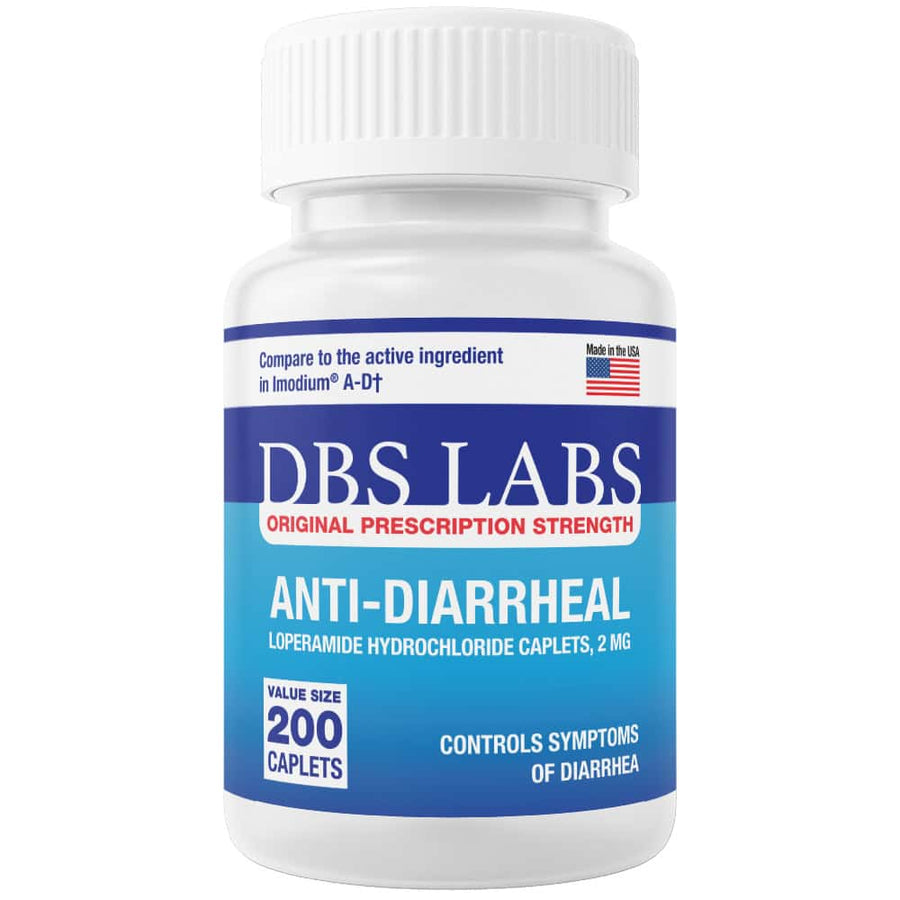
DBS LABS Diarrhea Relief
Loperamide HCl 2 mg caplets for controlling symptoms of occasional diarrhea when used as directed.
Shop Diarrhea ReliefImportant: WELMATE Lidocaine Cream is for external use only. Use only as directed and do not insert it into the rectum. DBS LABS Diarrhea Relief controls diarrhea symptoms only and is not a hemorrhoid treatment. Read each product’s complete Drug Facts label before use.
Can You Use Lidocaine Cream and Anti-Diarrheal Relief Together?
Hemorrhoid irritation and diarrhea can occur at the same time, but the products used for each problem have different purposes. Topical lidocaine temporarily numbs external discomfort. Loperamide HCl is an oral anti-diarrheal ingredient that helps control diarrhea symptoms.
Using one product does not make the other appropriate for every situation. The cause of diarrhea matters, and persistent, bloody or fever-associated diarrhea should be evaluated rather than treated only with an OTC anti-diarrheal.
Ask a physician or pharmacist before combining OTC products if you:
- Take prescription medications
- Have liver disease or a history of abnormal heart rhythm
- Are pregnant or breastfeeding
- Have bloody or black stool
- Have fever or mucus in the stool
- Have severe, recurring or unexplained symptoms
It may help control occasional diarrhea symptoms when loperamide is appropriate, which can reduce repeated bowel movements. It does not relieve hemorrhoid swelling, bleeding or external pain.
Tips for Preventing Future Hemorrhoid Flare-Ups
Topical products can help manage discomfort, but bowel and bathroom habits are also important for preventing repeated irritation.
Eat More Fiber Gradually
Fiber helps add bulk and softness to stool, which may make bowel movements easier to pass. Increase fiber gradually to reduce bloating and gas. Fruits, vegetables, beans, whole grains and fiber supplements can all contribute.
Drink Enough Fluids
Fluids work with fiber to support softer stools. Your needs can vary based on your health, activity and medications, so ask a healthcare professional about the right amount for you.
Avoid Straining
Do not force a bowel movement. Straining increases pressure in the veins around the anus and lower rectum.
Limit Time on the Toilet
Long periods of sitting on the toilet can increase pressure on the anal area. Go when you feel the urge, but avoid lingering.
Use Gentle Hygiene
Clean the area gently and avoid excessive wiping, fragranced products or harsh cleansers that worsen irritation.
Consider a Warm Sitz Bath
Soaking the anal area in warm water may help soothe discomfort. Use comfortably warm—not hot—water and gently pat the area dry afterward.
The goal is not simply to stop bowel movements. It is to support more comfortable, regular stools while avoiding repeated straining, urgency and wiping.
Frequently Asked Questions About Lidocaine and Hemorrhoids
Does lidocaine shrink hemorrhoids?
No. Lidocaine temporarily numbs pain, itching and burning. It does not shrink hemorrhoids or treat the swollen veins that cause them.
Can lidocaine cream be used on external hemorrhoids?
An anorectal lidocaine cream may be labeled for temporary external relief of pain, itching and burning associated with hemorrhoids. Follow the exact Drug Facts directions for the product you are using.
Can I put lidocaine cream inside the rectum?
Do not insert the cream into the rectum with fingers or an applicator unless the specific product label clearly instructs you to do so. WELMATE 5% Lidocaine Cream is intended for external use.
How often can I apply lidocaine cream?
Application directions can differ by product. Follow the dosing frequency and maximum daily amount on the Drug Facts label, and do not use more than directed.
How long should I use an OTC hemorrhoid cream?
Follow the product label. Contact a doctor if symptoms worsen or do not improve within seven days, or sooner if rectal bleeding occurs.
Can diarrhea make hemorrhoids worse?
Frequent bowel movements and repeated wiping can irritate the skin around the anus and worsen discomfort. Persistent diarrhea should be evaluated to determine its cause.
Is rectal bleeding always caused by hemorrhoids?
No. Rectal bleeding has several possible causes. Contact a healthcare professional for an evaluation rather than assuming hemorrhoids are responsible.
Is WELMATE 5% Lidocaine Cream HSA/FSA eligible?
Wellspring Meds identifies WELMATE Pain Relief – 5% Lidocaine Cream, 6 oz as HSA/FSA eligible.
When Should You Talk to a Healthcare Provider?
Contact a healthcare professional if you have rectal bleeding or symptoms that do not improve after one week of at-home treatment.
Get medical help right away for severe anal pain with rectal bleeding, particularly when it occurs with abdominal pain, diarrhea, fever, dizziness, fainting or weakness.
Medical evaluation is also important when:
- A painful lump develops suddenly near the anus
- Bleeding is heavy, recurrent or accompanied by black stool
- Symptoms are worsening despite home care
- You develop pus, fever or increasing swelling
- Bowel habits change without a clear explanation
- You are unsure whether the symptoms are caused by hemorrhoids
The Bottom Line
Lidocaine can be a useful part of hemorrhoid care because it temporarily numbs external pain, itching and burning. It should be used only as directed and should not be expected to shrink hemorrhoids or correct constipation, diarrhea or other digestive triggers.
For a more complete approach, combine temporary external symptom relief with gentle hygiene, adequate fluids, gradually increased fiber and healthier bathroom habits. Speak with a healthcare professional when symptoms are severe, bleeding occurs or at-home care is not helping.
Shop WELMATE Pain Relief – 5% Lidocaine Cream, 6 oz or explore additional pain-relief products and digestive-relief options from Wellspring Meds.
Additional Hemorrhoid Resources
- NIDDK: Hemorrhoids Overview
- NIDDK: Hemorrhoid Symptoms and Causes
- NIDDK: Hemorrhoid Treatment
- MedlinePlus: Hemorrhoids
- DailyMed: Lidocaine 5% Anorectal Cream Label
Medical Disclaimer
This article is provided for general educational and informational purposes only and does not constitute medical advice, diagnosis or treatment. It is not a substitute for guidance from a qualified physician, pharmacist or other licensed healthcare professional. Always read and follow the complete Drug Facts label before using an OTC medication.
If you believe you are experiencing a medical emergency, call 911 or your local emergency services immediately.


Comments