


Sneezing, runny nose, and itchy or watery eyes are frustrating enough without adding unwanted sleepiness to your day.
That is why many shoppers look specifically for non-drowsy over-the-counter allergy medicine when choosing relief for seasonal or everyday allergy symptoms.
The active ingredient, product directions, warnings, and your individual response all matter.
Here is what to know when comparing OTC antihistamines for daytime allergy relief.
What Is a Non-Drowsy Allergy Medicine?
Many over-the-counter allergy medicines contain antihistamines, medicines that block the effects of histamine involved in allergic reactions.
Some newer antihistamines are less likely to cause sedation than older antihistamines such as diphenhydramine.
Two familiar active ingredients commonly marketed in non-drowsy allergy products are:
Cetirizine and levocetirizine are also widely used OTC antihistamines, but both can cause drowsiness in some people. Always review the Drug Facts label and understand how a medicine affects you before driving or performing activities requiring alertness.
Common OTC Antihistamines to Compare
Fexofenadine
Fexofenadine is the active ingredient associated with Allegra® and is available in generic and store-brand allergy medicines.
It is used for common allergy symptoms such as:
- Sneezing
- Runny nose
- Itchy or watery eyes
- Itching of the nose or throat
Fexofenadine is commonly found in products marketed for non-drowsy allergy relief.
One important difference is how the medicine should be taken. Product instructions for fexofenadine may advise taking it with water and avoiding certain fruit juices around the time of dosing.
Loratadine
Loratadine is the active ingredient associated with Claritin®.
It is another commonly available OTC antihistamine used for symptoms such as:
- Sneezing
- Runny nose
- Itchy or watery eyes
- Itching of the nose or throat
Loratadine products are also commonly marketed as non-drowsy options for everyday allergy relief.
Cetirizine
Cetirizine is the active ingredient associated with Zyrtec®.
Like fexofenadine and loratadine, cetirizine is used for many common indoor and outdoor allergy symptoms.
However, cetirizine can cause drowsiness in some people. If you are considering cetirizine for daytime use, review the Drug Facts warnings and see how the medicine affects you before driving or operating machinery.
Levocetirizine
Levocetirizine is the active ingredient associated with Xyzal®.
It treats many of the same common allergy symptoms as other antihistamines, but it may also cause sleepiness or tiredness in some users.
That does not necessarily make levocetirizine a poor choice. It simply means that drowsiness is one of the factors to consider when comparing OTC allergy medicines.
Fexofenadine vs. Loratadine for Non-Drowsy Allergy Relief
Fexofenadine and loratadine are both familiar choices for shoppers looking for allergy medicine marketed as non-drowsy.
Both are antihistamines, and both can be used for common allergy symptoms including sneezing, runny nose, and itchy or watery eyes.
The biggest reason to compare them is not necessarily which one is universally “better.”
Instead, compare:
- Active ingredient
- Labeled directions
- Product strength
- Duration of relief
- Warnings and precautions
- Other medicines or supplements you take
- How you personally respond to the ingredient
Fexofenadine also has specific administration considerations involving certain fruit juices and some antacids, making it especially important to follow the product directions carefully.
Compare Fexofenadine and Loratadine
Both are commonly marketed for non-drowsy allergy relief. Start with the active ingredient, then choose the package size that fits how you shop.
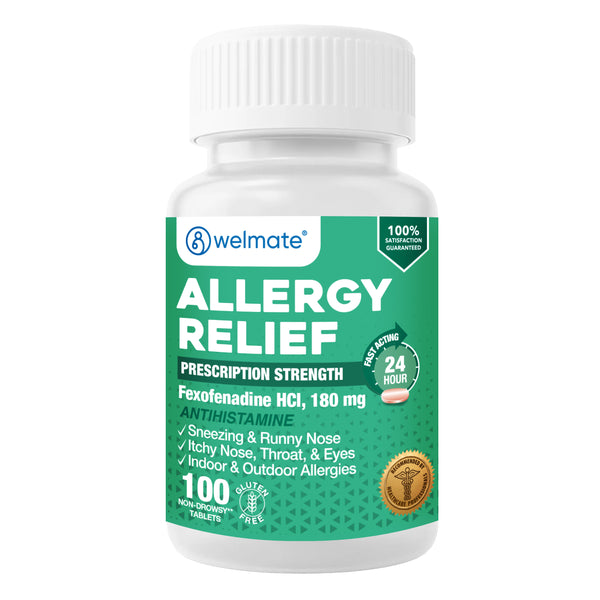
Fexofenadine 180 mg
Non-drowsy allergy relief for common indoor and outdoor allergy symptoms.
Shop 100 Tablets Stock up: 200 Tablets →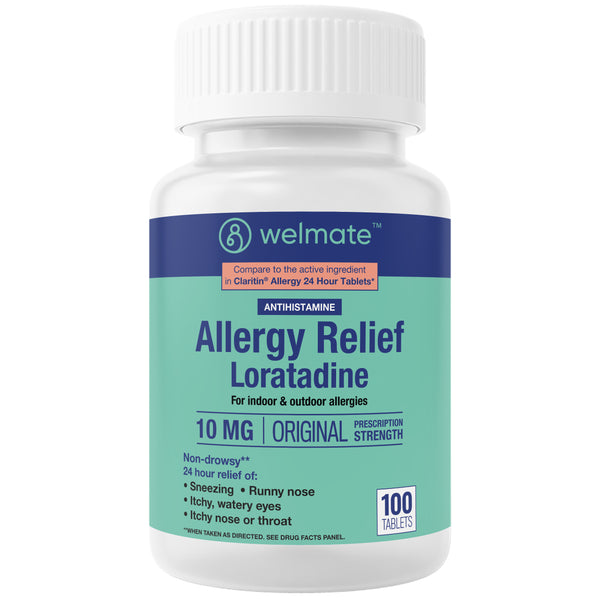
Loratadine 10 mg
Non-drowsy 24-hour allergy relief for common indoor and outdoor allergy symptoms.
Shop 100 Tablets Stock up: 365 Tablets →Does Non-Drowsy Mean You Will Never Feel Sleepy?
Not necessarily.
Medication labels describe expected effects and known side effects, but individuals can respond differently.
Even with a product marketed as non-drowsy, pay attention to how you feel after taking it.
Is Cetirizine a Non-Drowsy Antihistamine?
Cetirizine is often grouped with newer-generation antihistamines, but its labeling includes a drowsiness warning.
Some people may take cetirizine without noticeable sleepiness, while others may experience drowsiness.
For shoppers whose primary priority is minimizing daytime drowsiness, it can be useful to compare cetirizine's warnings with alternatives such as fexofenadine or loratadine.
What About Levocetirizine?
Levocetirizine can also cause drowsiness.
Because cetirizine and levocetirizine have drowsiness considerations, shoppers should not assume that every newer antihistamine has the same sedation profile.
Do Not Compare Allergy Medicines by Milligrams Alone
A common mistake is assuming the product with the largest milligram number must be stronger.
For example, you may see:
Those numbers cannot be directly compared.
Each is a different active ingredient with its own formulation and labeled dose. A higher milligram amount does not automatically mean stronger or better allergy relief.
Always follow the Drug Facts label for the specific medicine you choose.
How to Choose an OTC Allergy Medicine for Daytime Use
When comparing allergy medicines, consider these questions.
What symptoms am I trying to relieve?
Start with the Drug Facts “Uses” section and make sure the product is intended for the symptoms you want to address.
Does the product have a drowsiness warning?
If staying alert during work, school, driving, or everyday activities is important, compare the warnings carefully.
What is the active ingredient?
Look past the brand name.
Familiar allergy brands use different active ingredients:
- Allegra® — fexofenadine
- Claritin® — loratadine
- Zyrtec® — cetirizine
- Xyzal® — levocetirizine
- Benadryl® — diphenhydramine
Generic and store-brand allergy medicines may contain the same active ingredient and strength as familiar national-brand products.
Are there special directions?
Certain medicines have specific administration instructions.
For example, fexofenadine should be taken according to its product directions, including instructions regarding certain fruit juices and antacids.
How does the medicine affect me?
People may respond differently to antihistamines.
If you are unsure which product is appropriate based on other medications, health conditions, age, pregnancy, or other considerations, ask a doctor or pharmacist.
Non-Drowsy Allergy Medicine vs. Nasal Allergy Sprays
Oral antihistamines are not the only OTC option.
For people whose allergies primarily involve nasal symptoms such as congestion, sneezing, or nasal irritation, an over-the-counter nasal allergy spray may also be worth comparing.
Oral antihistamines and nasal sprays work differently, so the right product format depends partly on the symptoms you are trying to address.
Shop OTC Allergy Medicine by Active Ingredient
Wellspring Meds offers allergy relief options across several familiar active ingredients, making it easy to compare products based on what is actually inside the package.
Shop options including:
- Fexofenadine — compare to the active ingredient in Allegra®
- Loratadine — compare to the active ingredient in Claritin®
- Cetirizine — compare to the active ingredient in Zyrtec®
- Levocetirizine — compare to the active ingredient in Xyzal®
- Additional antihistamines and nasal allergy relief options
Explore the Wellspring Meds Allergy Relief collection to compare active ingredients, strengths, package sizes, and product formats.
Find the Allergy Relief That Fits Your Day
Compare fexofenadine and loratadine first if minimizing daytime drowsiness is a priority, then explore additional active ingredients and formats.
Frequently Asked Questions
What OTC allergy medicine is considered non-drowsy?
Fexofenadine and loratadine are active ingredients commonly found in allergy medicines marketed as non-drowsy. Always check the specific product's Drug Facts label because warnings can differ between medicines and formulations.
Is Allegra non-drowsy?
Allegra® contains fexofenadine, an antihistamine commonly marketed for non-drowsy allergy relief. Generic products containing the same active ingredient may also be marketed similarly when supported by their labeling.
Is Claritin non-drowsy?
Claritin® contains loratadine, another antihistamine commonly marketed as non-drowsy. Compare Drug Facts labels when choosing between brand-name and generic loratadine products.
Does Zyrtec cause drowsiness?
Zyrtec® contains cetirizine. Cetirizine can cause drowsiness in some people, so review the label and understand how the medicine affects you before driving or operating machinery.
Can Xyzal make you sleepy?
Xyzal® contains levocetirizine. Levocetirizine may cause sleepiness or tiredness in some people.
Is a non-drowsy antihistamine better?
Not necessarily. “Non-drowsy” describes an important product characteristic, but choosing an allergy medicine also depends on your symptoms, product directions, warnings, other medicines, and individual response.
Can I take more than one antihistamine?
Do not combine antihistamines or other allergy medicines unless a healthcare professional has advised you to do so. Always check active ingredients to avoid unnecessary duplicate medication.
This article is for general educational purposes and is not a substitute for professional medical advice. Always read and follow the Drug Facts label and ask a doctor or pharmacist if you have questions about which over-the-counter allergy medicine is appropriate for you.


Comments