


Cyclospora cayetanensis is a microscopic parasite that causes an intestinal illness called cyclosporiasis. In the United States, infections have often been associated with contaminated fresh produce, while cases may also occur after travel to tropical or subtropical regions.
The most recognizable symptom is frequent, watery diarrhea that may improve and then return. Because Cyclospora is a parasitic infection, persistent symptoms should be evaluated by a healthcare professional. Prescription treatment may be needed. Over-the-counter anti-diarrheal medication does not eliminate the parasite, but it may provide temporary symptom control when a physician or pharmacist determines that loperamide is appropriate.
What Is Cyclospora?
Cyclospora cayetanensis is a single-celled parasite that infects the small intestine. People become infected by consuming food or water contaminated with the parasite.
Unlike some intestinal illnesses, direct person-to-person transmission is considered unlikely. Cyclospora passed in stool must mature outside the body before it becomes infectious to another person.
Cyclosporiasis occurs in many parts of the world and is most common in tropical and subtropical regions. In the United States, foodborne outbreaks have been linked to several types of fresh produce, including basil, cilantro, lettuce, raspberries and snow peas.
Cyclospora can infect someone more than once. Recovering from a previous infection does not guarantee future immunity.
Affordable Diarrhea Relief to Keep on Hand
DBS LABS Diarrhea Relief contains loperamide HCl 2 mg per caplet, the same active ingredient and strength found in Imodium A-D. It is used to control diarrhea symptoms when taken as directed.
For suspected or confirmed infectious diarrhea, speak with a physician or pharmacist before using loperamide. It does not treat Cyclospora or replace medical evaluation.
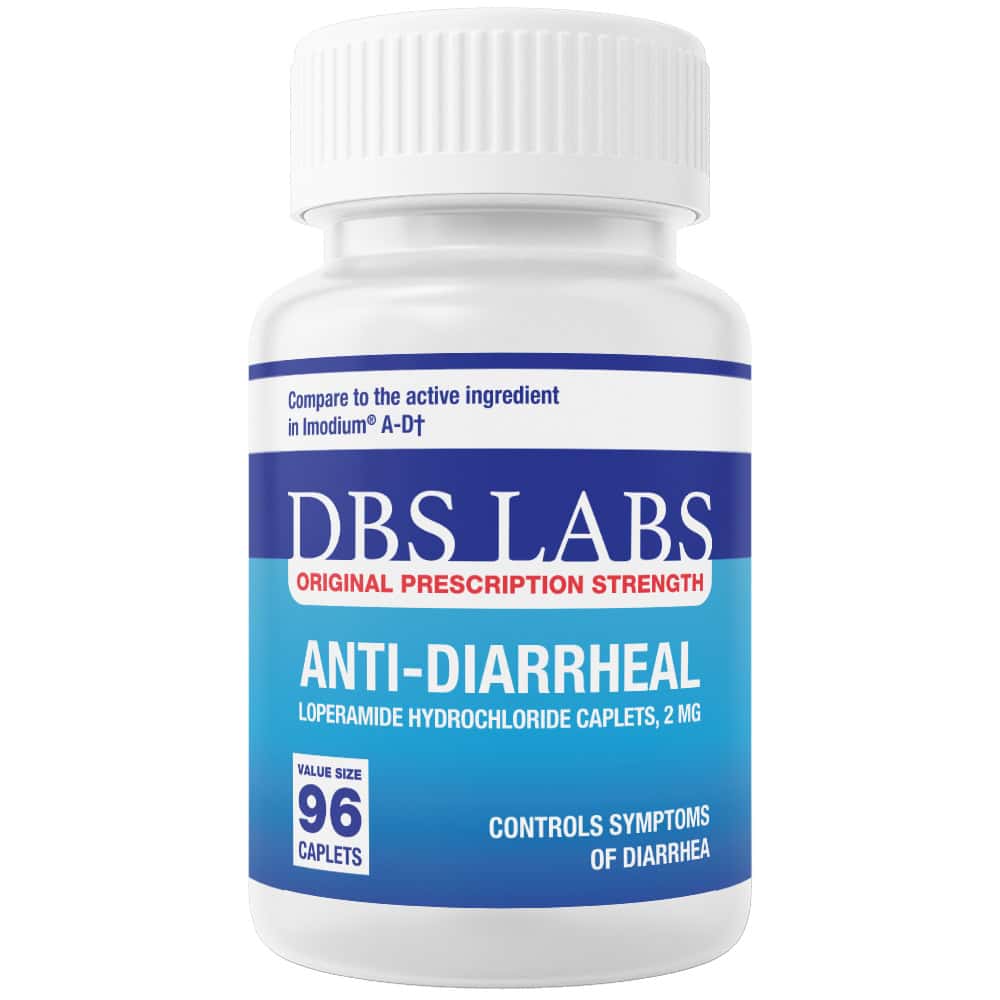
Practical Medicine-Cabinet Size
A convenient option for home, travel kits and everyday preparedness.
Shop 96 Count
Larger Household Supply
More caplets per bottle for households that prefer to keep relief readily available.
Shop 200 CountImportant: Controls diarrhea symptoms only. It does not treat or eliminate Cyclospora. Use only as directed on the Drug Facts label. Do not use if you have bloody or black stool. Ask a healthcare professional before use for suspected infectious diarrhea.
Cyclospora Symptoms: What to Watch For
Symptoms usually begin about one week after consuming contaminated food or water, although the timing may range from a few days to two weeks or longer.
Watery diarrhea is the most common symptom. Other possible symptoms include:
- Frequent or urgent bowel movements
- Loss of appetite
- Unintentional weight loss
- Stomach cramps
- Bloating and increased gas
- Nausea
- Fatigue
- Vomiting
- Body aches or headache
- Low-grade fever
Without treatment, symptoms may continue for days, weeks or longer. Diarrhea can temporarily improve and then return, while fatigue may continue after the gastrointestinal symptoms have subsided.
Contact a healthcare professional when watery diarrhea is prolonged, recurring or accompanied by dehydration, fever, bloody stool, severe pain or other concerning symptoms.
How Is Cyclospora Diagnosed?
Cyclosporiasis is diagnosed by testing stool samples. However, Cyclospora testing is not routinely included in every stool examination or gastrointestinal PCR panel.
If your symptoms and exposure history suggest Cyclospora, your healthcare provider may need to specifically request testing for the parasite. Because Cyclospora may be difficult to detect, several stool specimens collected on different days may be required.
Tell your healthcare provider about:
- How long your diarrhea has lasted
- Whether symptoms have improved and returned
- Recent travel
- Fresh produce or restaurant meals consumed before symptoms began
- Other people experiencing similar symptoms
Learn more from the CDC’s clinical guidance for Cyclospora testing.
Medical Treatment for Cyclosporiasis
The prescription antibiotic combination trimethoprim-sulfamethoxazole (TMP-SMX) is the treatment of choice for cyclosporiasis. It is also sold under brand names that include Bactrim and Septra.
A licensed healthcare professional must determine whether prescription treatment is appropriate, taking into account your diagnosis, allergies, medications and medical history. People who cannot take sulfa drugs should speak with their healthcare provider because highly effective alternative treatments have not been clearly established.
Some otherwise healthy people eventually recover without prescription treatment, but the illness may be prolonged or relapse. People with weakened immune systems may be at greater risk of a severe or extended illness.
Antibiotic selection, dosing and treatment duration should be determined by a licensed healthcare professional. An OTC anti-diarrheal can control symptoms only; it cannot eliminate Cyclospora.
Can You Take Loperamide for Cyclospora Symptoms?
Loperamide can temporarily control diarrhea symptoms, but it does not kill Cyclospora or cure cyclosporiasis. Because diarrhea may be caused by an infection that requires diagnosis and treatment, ask a healthcare professional whether an anti-diarrheal is appropriate for your situation.
According to OTC loperamide labeling:
- Do not use it if you have bloody or black stool.
- Ask a doctor before use if you have fever, mucus in the stool, liver disease or a history of abnormal heart rhythm.
- Ask a doctor or pharmacist before use if you take prescription medication.
- Do not take more than directed; excessive doses can cause serious heart problems or death.
- Stop use and ask a doctor if symptoms worsen, diarrhea lasts more than two days, or abdominal swelling develops.
Do not rely on an OTC anti-diarrheal alone when diarrhea is persistent, recurring, bloody, accompanied by fever or causing signs of dehydration.
Hydration and Recovery
Diarrhea can cause significant fluid and electrolyte loss. Maintaining hydration is an important part of supportive care, regardless of whether prescription treatment is needed.
- Drink fluids regularly. Small, frequent sips may be easier to tolerate than large amounts at once.
- Consider an oral rehydration solution. These products contain water, salts and carbohydrates in proportions designed to replace fluid and electrolytes.
- Choose foods you tolerate. There is no single required recovery diet. Select mild foods that do not worsen your symptoms.
- Rest as needed. Fatigue is common and can continue after diarrhea improves.
- Ask before taking supplements. Discuss probiotics or other digestive supplements with your healthcare provider, especially while taking prescription medication.
Seek prompt medical care if you are unable to keep fluids down or develop signs of dehydration, such as very dark urine, reduced urination, dizziness, unusual weakness, dry mouth or intense thirst.
How to Help Prevent Cyclospora Infection
There is currently no vaccine for cyclosporiasis. Prevention focuses on avoiding food or water that may be contaminated and following safe produce-handling practices.
- Wash your hands with soap and water before and after preparing fruits and vegetables.
- Wash produce thoroughly under running water before eating, cutting or cooking it.
- Scrub firm produce, such as cucumbers and melons, with a clean produce brush.
- Cut away bruised or damaged areas before preparing produce.
- Refrigerate cut, peeled or cooked fruits and vegetables within two hours.
- Use extra care with food and water when traveling in areas where cyclosporiasis commonly occurs.
Routine chemical disinfection or sanitization methods are unlikely to kill the parasite. Follow current food-safety and outbreak guidance from public-health authorities.
Frequently Asked Questions
Is Cyclospora contagious from person to person?
Direct person-to-person transmission is considered unlikely. The parasite passed in stool must mature in the environment before it becomes infectious.
How long can a Cyclospora infection last?
Symptoms may last from several days to a month or longer without treatment. Diarrhea may improve and then return one or more times.
What is the most common symptom of cyclosporiasis?
Watery diarrhea is the most common symptom. It may involve frequent, urgent or sometimes explosive bowel movements.
Can a routine stool test detect Cyclospora?
Not always. Cyclospora testing is not routinely included in every stool examination or gastrointestinal PCR panel. A healthcare provider may need to request it specifically, and multiple samples may be needed.
What medication treats Cyclospora infection?
Trimethoprim-sulfamethoxazole, or TMP-SMX, is the treatment of choice. It requires a prescription and must be selected by a healthcare professional.
Can I take an OTC anti-diarrheal for Cyclospora?
Loperamide may temporarily control diarrhea symptoms, but it does not eliminate the parasite. Ask a physician or pharmacist whether it is appropriate, particularly when infectious diarrhea is suspected.
What is the active ingredient in DBS LABS Diarrhea Relief?
Each caplet contains loperamide HCl 2 mg, an OTC anti-diarrheal ingredient used to control diarrhea symptoms when taken as directed.
Are DBS LABS Diarrhea Relief caplets HSA/FSA eligible?
Yes. The 96-count and 200-count DBS LABS Diarrhea Relief products are identified by Wellspring Meds as HSA/FSA eligible.
Which DBS LABS bottle size should I choose?
The 96-count bottle is a practical size for a medicine cabinet or travel kit. The 200-count bottle provides a larger household supply. Bottle size does not change the labeled directions—always follow the Drug Facts label and do not use longer than directed.
When to See a Doctor
Contact a healthcare professional if you suspect Cyclospora or have diarrhea that is persistent, severe or recurring.
Get medical help for bloody or black stool, high fever, severe abdominal pain, abdominal swelling, confusion, fainting, inability to keep fluids down, very limited urination or other signs of significant dehydration.
Also contact a healthcare professional when:
- Diarrhea lasts more than two days while using an OTC loperamide product
- Symptoms temporarily improve and then return
- You recently traveled to a tropical or subtropical region
- You are pregnant, breastfeeding or immunocompromised
- The person experiencing symptoms is a young child or older adult
- Several people became ill after eating the same food or visiting the same restaurant
Additional Cyclospora Resources
- CDC: About Cyclosporiasis
- CDC: Symptoms of Cyclosporiasis
- CDC: Clinical Guidance and Diagnosis
- CDC: Clinical Care and Treatment
- CDC: Preventing Cyclosporiasis
- FDA: Cyclosporiasis and Fresh Produce
Medical Disclaimer
This article is provided for general educational and informational purposes only and does not constitute medical advice, diagnosis or treatment. It is not a substitute for guidance from a qualified physician, pharmacist or other licensed healthcare professional. Always read and follow the complete Drug Facts label before using an OTC medication. Never disregard professional medical advice or delay seeking care because of information you have read online.
If you believe you are experiencing a medical emergency, call 911 or your local emergency services immediately.


Comments